900-year-old sculpture offers clue to ‘perakiya’
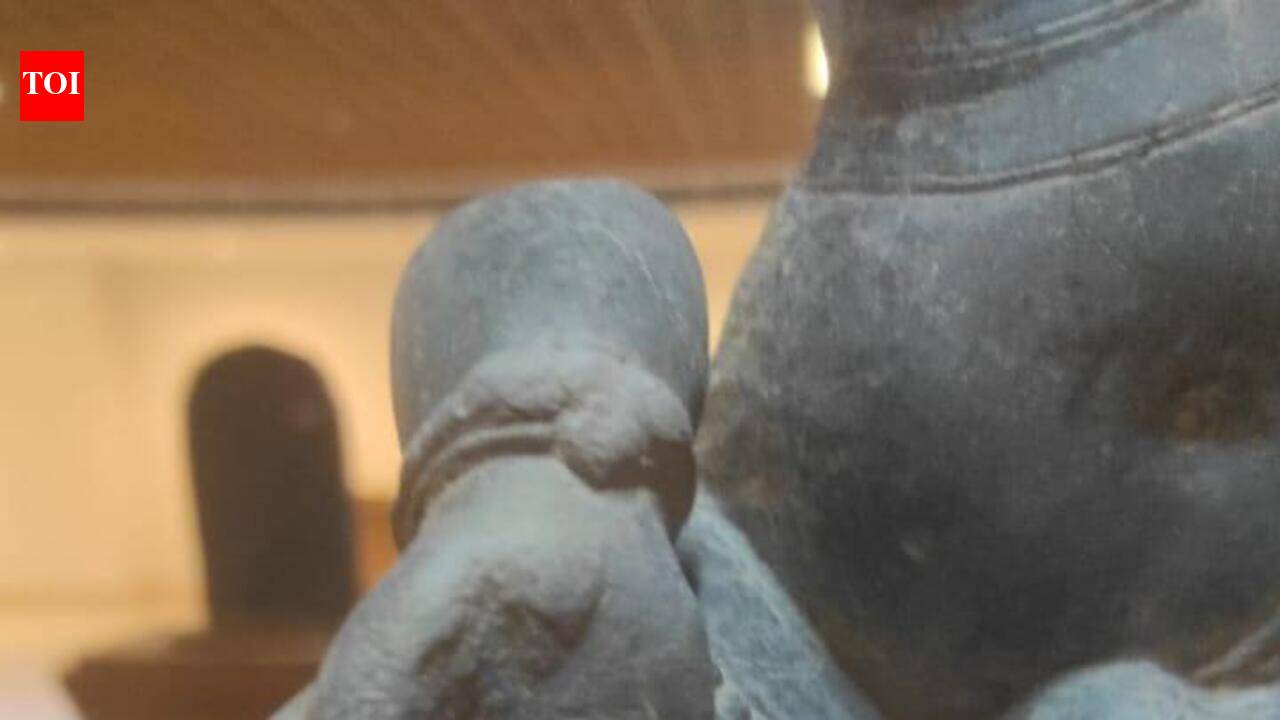
An unexpected discovery in a modest mound near Rahugarh has turned heads in both archaeology and culinary history. The 900‑year‑old stone sculpture, now housed at Lakhisarai Museum, portrays two delicately carved sweets – a crescent shape that mirrors today’s beloved perakiya and a round form reminiscent of Chandrakala. Its emergence offers a tangible link between ancient artistic expression and the festive foods that still define Bihar’s celebrations.
The piece bears an inscription that anchors it to the late 11th‑century reign of King Rampala of the Pala dynasty. The text records a donation by Vamana Mahidhara, son of the confectioner Kanduka Devdhara, suggesting that a community of sweet‑makers enjoyed both economic standing and patronage in the region. Scholars such as Anil Kumar, former professor of Ancient Indian History, and epigraphist Rajat Sanyal have highlighted how the sculpture’s iconography and its epigraphic record together illuminate a culinary tradition far older than previously imagined.
Beyond its academic value, the sculpture reshapes the narrative of Bihar’s gastronomic heritage. By visualising perakiya in stone, it confirms that the beloved crescent‑shaped treat was already part of the cultural fabric nearly a millennium ago. Visitors to the museum now encounter a rare convergence of art, history, and taste, prompting a fresh appreciation for the deep roots of regional sweets.