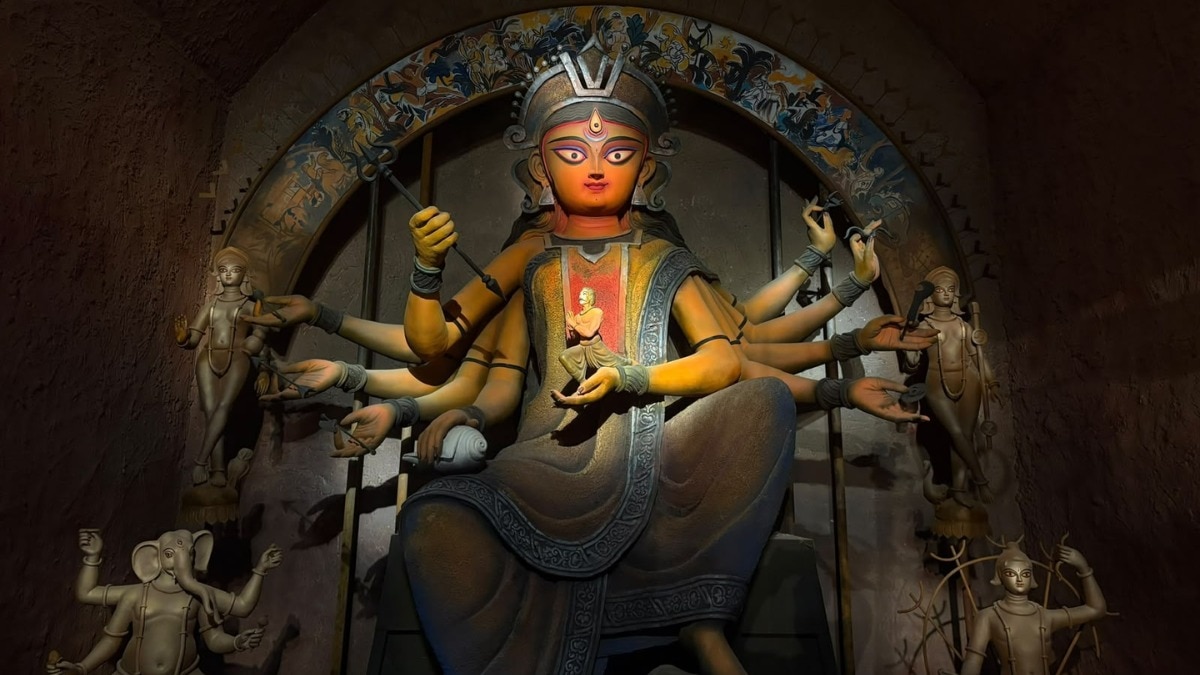
A lost-and-found sculpture, a Durga Puja theme: Kolkata revives Shanu Lahiri's legacy
Shanu Lahiri, often hailed as Kolkata’s first lady of public art, is experiencing a quiet renaissance as the city prepares for its annual Durga Puja. A new neighbourhood celebration has chosen her oeuvre as the thematic heart, while a long‑lost masterpiece has unexpectedly resurfaced, reminding Kolkatans of the fragile yet enduring power of civic sculpture.
The towering fiberglass figure known as Paroma dominated the roundabout on the Eastern Metropolitan Bypass for nearly three decades. Installed in 1987, its 31‑foot silhouette became a landmark so familiar that the intersection itself earned the nickname “Paroma Island.” In the night of 24 November 2014, the sculpture was abruptly dismantled and vanished, leaving only rubble and a swirl of speculation about political interference and bureaucratic neglect.
Months later, a member of Kolkata’s Chinese community, Hui Hao Howard Lee, stumbled upon the broken remains in the wetlands of Chowbaga. After negotiating with local youths, he salvaged what he could and stored the fragments in his family’s former tannery in Tangra, keeping the work hidden for twelve years. His quiet guardianship preserved a piece of collective memory that many thought lost forever.
This year, the Bhowanipore Abasar Sarbojanin Durga Puja will reinstall a replica of Paroma, scaled to 18 feet, alongside three‑dimensional renditions of the side figures Lahiri created for earlier puja celebrations. The artistic collective Thinkers, together with idol maker Arighna Saha, aims to evoke the original’s protective, lamp‑bearing spirit while showcasing Lahiri’s broader vision of integrating art into everyday life.
The revival of Paroma sparks a larger conversation about who decides the fate of public art in a rapidly changing city. As the sculpture’s original creator’s daughter, Damayanti Lahiri, and its rescuer contemplate its future, the episode underscores Lahiri’s enduring belief that art belongs to the streets, not just galleries, and that its survival depends on the community that cherishes it.