‘A saving gesture’: the art exhibition spotlighting US prisoners’ creations
The new show at Grand Rapids Art Museum, curated by Terra Warren and Jennifer Wcisel, brings three solo presentations together to ask what art can reveal about America’s massive carceral system. By foregrounding the work of people who have spent decades behind bars, the exhibition forces visitors to confront the human stories that statistics usually hide.
Julie Green’s monumental project The Last Supper finally appears in full. Over 22 years she collected nearly a thousand porcelain plates, each recording the final meal requested by a death‑row inmate – or the word “none” when no meal was chosen. The stark contrast between a ritual of comfort and the ultimate denial of life makes the work a quiet, powerful meditation on dignity and state power.
Former death‑row inmate turned artist Gary Tyler offers a different kind of testimony through hand‑stitched quilts. Created while he volunteered in the hospice at Angola prison, the textiles blend bold colors with recurring motifs – a bull charging a red table, a child in shackles – and echo his own survival and defiance after four decades of wrongful confinement.
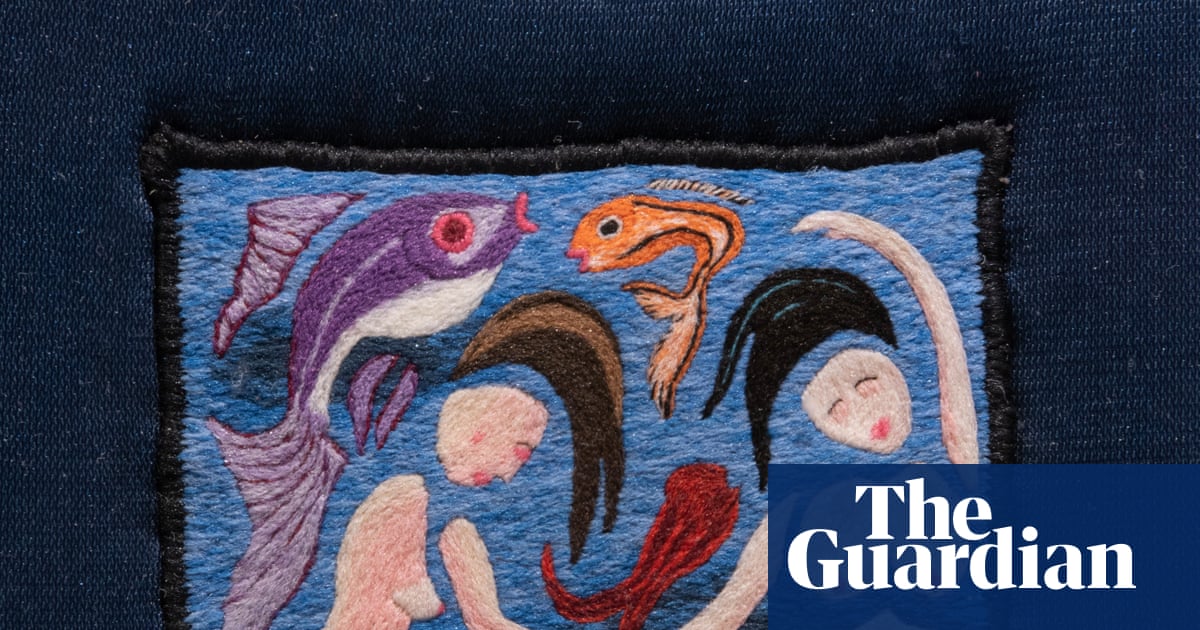
The third section surveys the embroidery of Ray Materson, who turned discarded prison socks into intricate, small‑scale scenes drawn from literature, history and personal memory. His technique, born of necessity, has become a meditative practice that supplies fellow inmates with symbols of identity and hope in an environment designed to erase them.
Together the three bodies of work reveal both the shock of incarceration’s reality and a surprising capacity for redemption. The show suggests that creative expression can act as a “saving gesture,” offering a glimpse of humanity that persists even within the most restrictive walls.