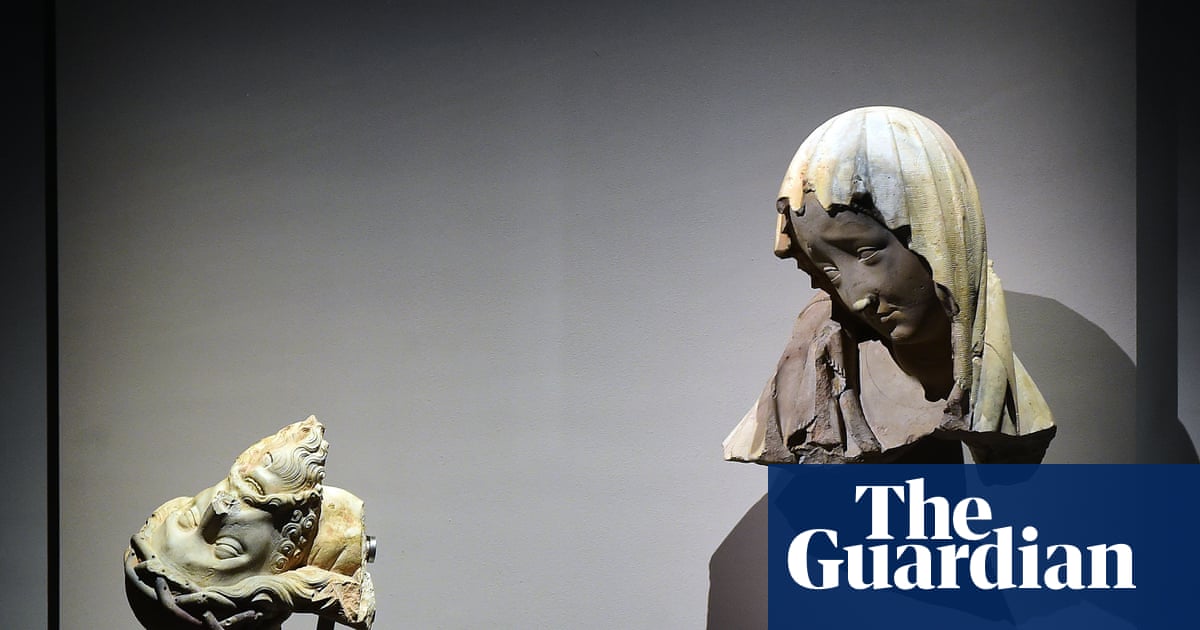
Armless fun: why sculpture can have far more power and be much more sensuous when it’s broken
The new show at Palazzo Strozzi and later at National Gallery of Art invites viewers to reconsider the allure of incomplete statues. By foregrounding shards, lips, noses, the exhibition demonstrates how a missing piece can sharpen perception.
Historical fragments on display – a beheaded prior from Switzerland, the mutilated foot of Louis XIV, a bullet‑pierced bust of Mussolini – illustrate how regimes have deliberately erased faces to strip power, yet the remnants retain a haunting presence.
The show also probes ancient practices, from Japanese dogū figurines that were meant to be smashed, to an intentionally decapitated Aztec figure and a Michelangelo terracotta deliberately left headless. These works suggest that breakage was sometimes a creative choice, a way to reveal truth.
Contemporary interventions – a Louise Bourgeois foot in a leg brace and Julius von Bismarck’s collapsible equestrian statue – extend the dialogue into today’s visual culture, where broken bodies and fractured icons dominate film, fashion and social media.
Running from 25 September 2026 to 24 January 2027 in Florence, and then from 13 March to 27 June 2027 in Washington, Broken: The Power of Fragments asks whether the beauty of a work lies in its wholeness or in the story its wounds tell.