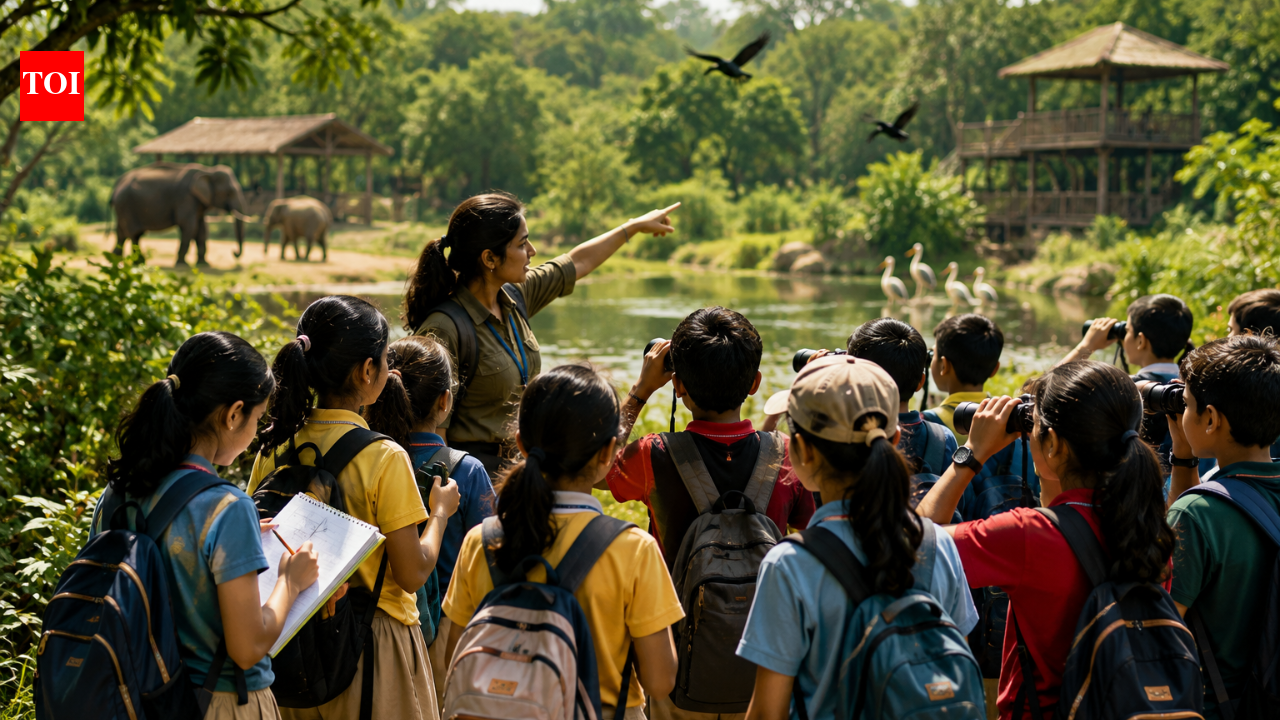
Field trips enhance learning: Bridging classroom theory with real-world application and student engagement
Field trips have become a cornerstone of experiential education, offering students a chance to step outside the classroom and engage directly with the subjects they study. By placing learners in museums, historic sites, or industry settings, these outings transform abstract concepts into tangible experiences that linger far longer than a lecture alone.
The academic payoff is clear: hands‑on observation reinforces theory, boosts memory retention, and sparks critical thinking. Students encounter real‑world contexts that encourage inquiry, problem‑solving, and cross‑disciplinary connections, making learning both deeper and more memorable.
Beyond the curriculum, field trips nurture personal growth. Collaborative travel builds teamwork, strengthens peer bonds, and expands cultural awareness. Navigating new environments pushes students out of their comfort zones, fostering confidence, resilience, and a healthier sense of well‑being through active, outdoor engagement.
Professional development also benefits. Exposure to diverse workplaces helps young people envision career paths, network with practitioners, and understand workplace expectations. Planning and executing a trip cultivates organizational and time‑management skills, while the novelty of new settings fuels enthusiasm and a proactive attitude toward learning.
In sum, field trips bridge the gap between theory and practice, turning education into a dynamic, enjoyable journey that prepares students for both academic success and life beyond the classroom.