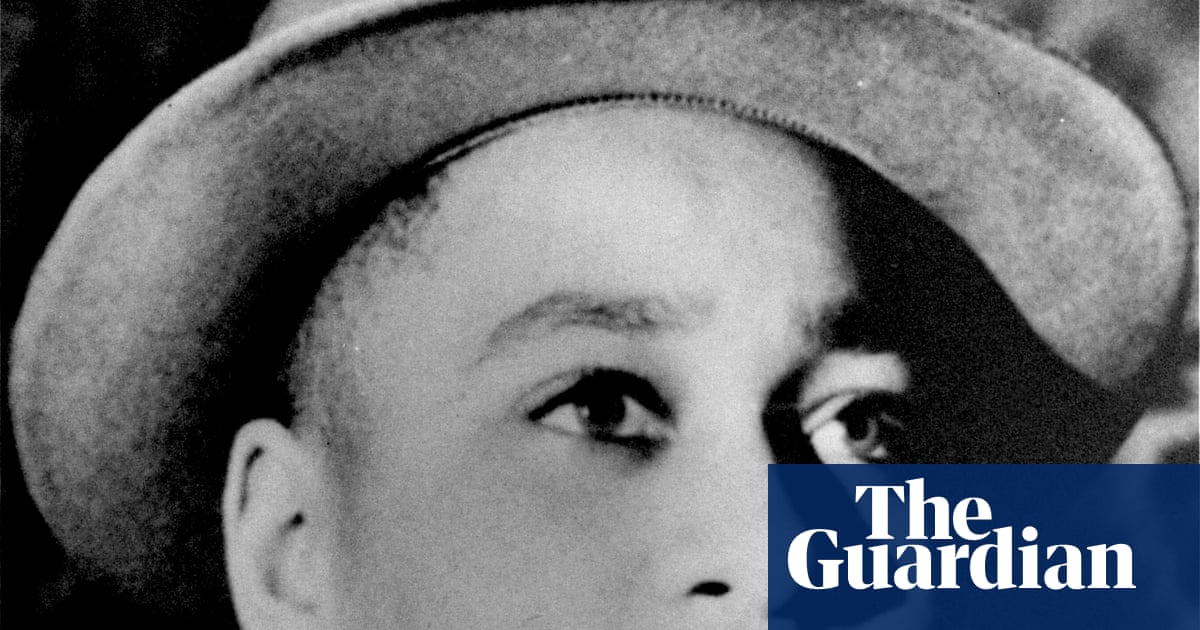
‘He would have been the center of everything’: the art exhibition imagining if Emmett Till lived
The new show If Emmett Till Lived: Freedom on American Ground opens at the Museum of Contemporary Photography in Chicago, inviting visitors to step into a speculative archive of photographs that imagine the life the 14‑year‑old civil‑rights martyr might have led. Rather than a conventional memorial, the exhibition asks the nation to consider how history would read if Till’s story had continued beyond the brutal murder that shocked the country in 1955.
Co‑curated by Harvard professor Sarah Elizabeth Lewis and Reverend Wheeler Parker Jr., Till’s cousin and last surviving witness, the project blends scholarly rigor with personal testimony. Lewis frames the show as a “creative monument,” while Parker Jr. repeatedly asks, “What would he have been?” Their collaboration grounds the speculative premise in a lived connection to Till’s family and to the ongoing fight over his memory.
The walls are populated with a diverse roster of photographers—Henri Cartier‑Bresson, Gordon Parks, Carrie Mae Weems, Teju Cole, and even relatives such as Lance Omar Thurman. The cover image, a black‑and‑white shot by Stephen Marc of a man tossing a boy into the air beside water, has become the visual metaphor for hope and possibility that threads through the whole display.
Public figures from Chelsea Clinton to Ava DuVernay and Congressman Ayanna Pressley were invited to select images and write reflections, turning the exhibition into a participatory archive. Their contributions underscore the idea that a photograph can serve as a monument when traditional monuments have been denied.
Beyond honoring Till, the show gestures toward the many young Black lives cut short today, linking past and present injustices. It asks whether witnessing alone can shift the moral imagination, or whether the act of seeing must be coupled with a collective re‑envisioning of America’s democratic promise.