How the dispersal of sculpture across museums worldwide complicates their study
From Indus figurines to Buddhist icons, South Asian sculpture spans millennia, shifting from intimate cultic objects to global museum treasures. Early terracotta and steatite figures of the mature Indus phase reveal a sophisticated visual language of headdresses, layered necklaces, and stylised forms, while later bronze works demonstrate mastery of lost‑wax casting.
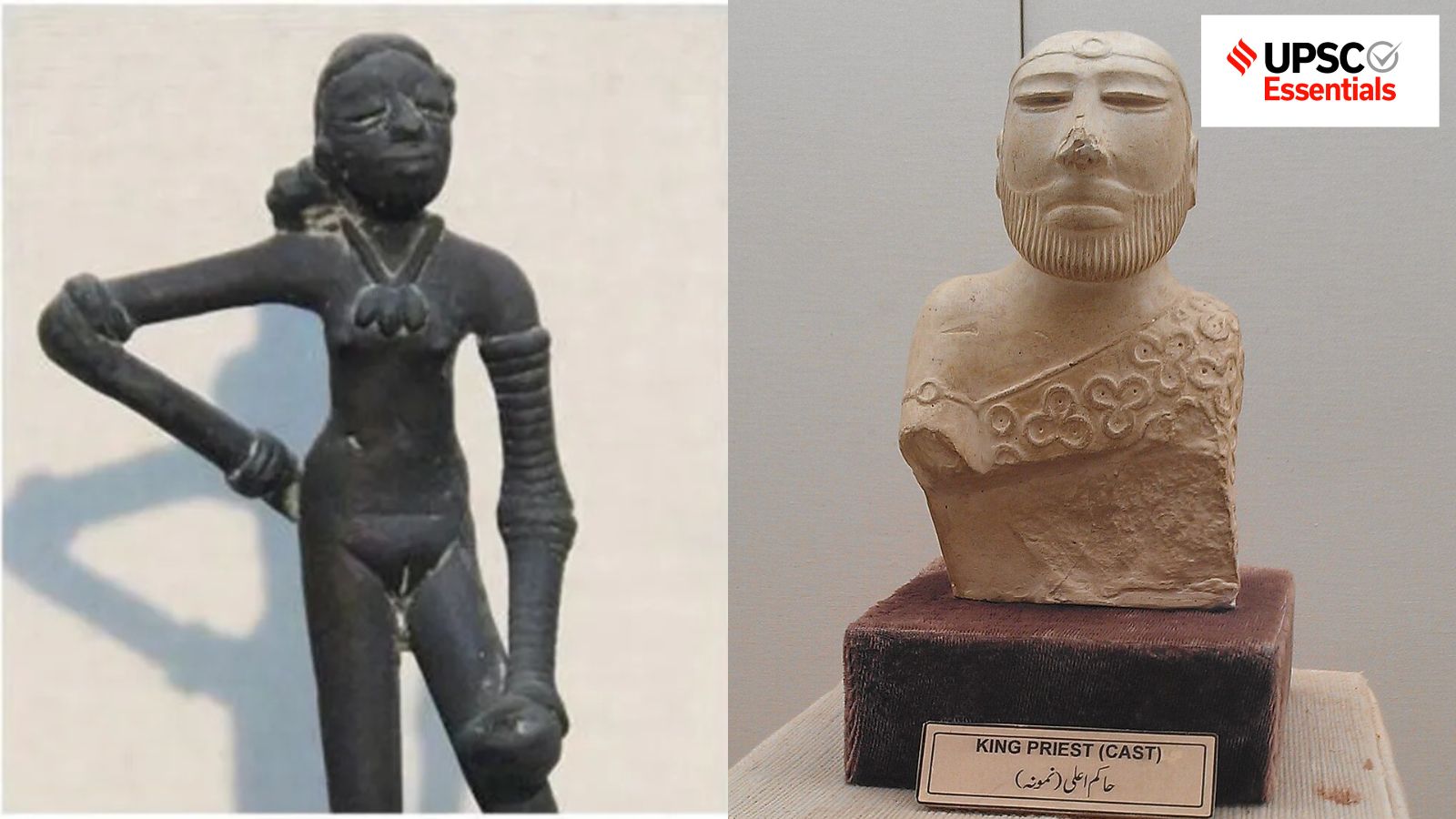
Among the most celebrated are the priest‑king, a finely inlaid steatite bust from Mohenjo‑daro now kept in the vault of the Pakistan National Museum, and the bronze dancing girl, discovered in the same city and displayed in the National Museum, New Delhi. The polished marble Didarganj Yakshi, with its enigmatic smile, exemplifies the high‑gloss Mauryan tradition that scholars still debate in terms of dating and regional influences.
The stylistic dialogue between the Hellenistic‑tinged Gandhara Buddha and the robust, draped figures of Mathura illustrates how cross‑cultural currents reshaped iconography during the Kushana era. Contemporary scholarship frames these works within a “social biography,” asking whether they should be read primarily as objects of ancient worship, as museum displays, or as occupying a liminal space that retains traces of sacred meaning.
The worldwide dispersal of these sculptures complicates comparative study but also opens fresh interpretive pathways, inviting curators and scholars to reconsider the evolving identities of artifacts once rooted in specific ritual landscapes.