Navigating the Boundaries of Modern Art: A Curator's Perspective
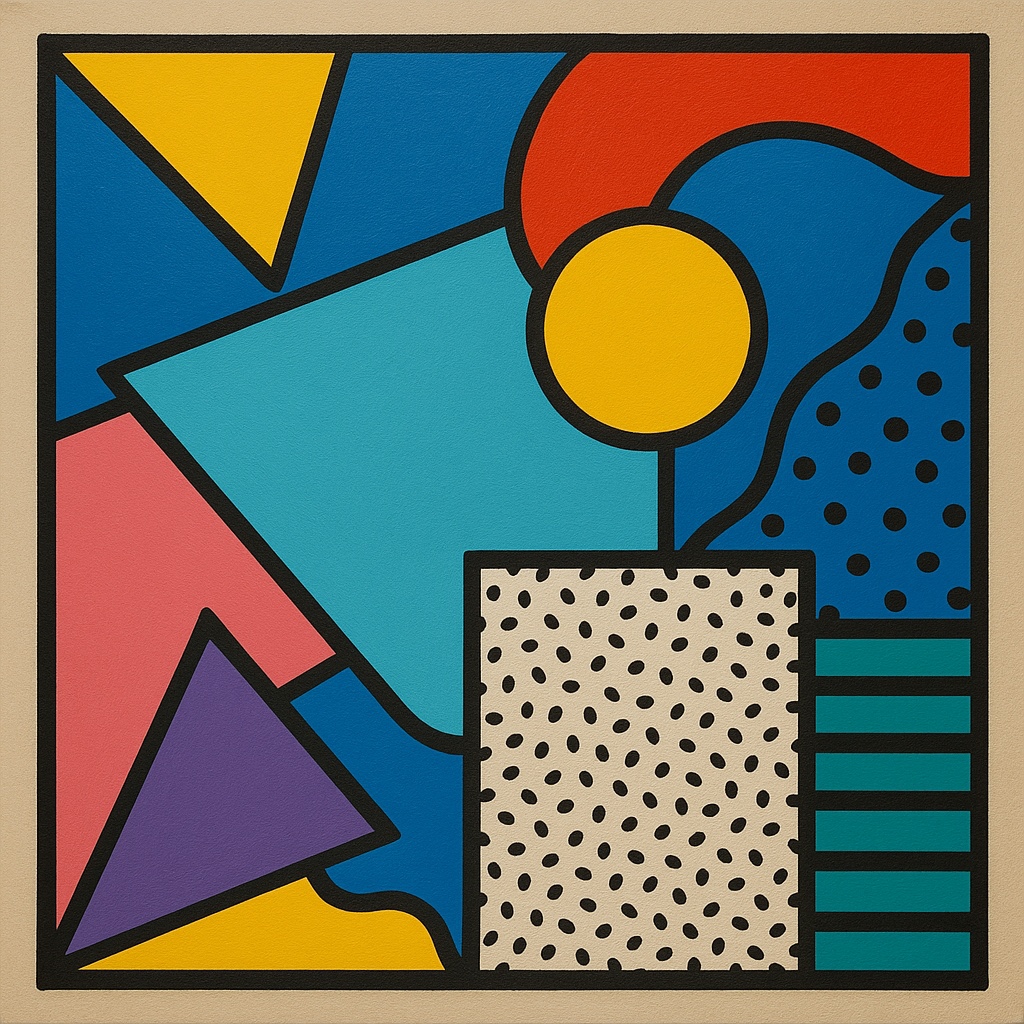
In the pulsating heart of the 21st century, modern art continues to evolve, challenging our perceptions and pushing the envelope of creativity. As a gallery curator, I find myself at the intersection of this dynamic landscape, where tradition meets innovation, and the ordinary collides with the extraordinary. The modern art scene is a kaleidoscope of styles, mediums, and expressions, each piece telling a unique story that resonates with the contemporary human experience. From the stark minimalism of a monochromatic canvas to the immersive digital installations that blur the lines between reality and virtuality, modern art is a testament to the boundless potential of human imagination. One of the most compelling aspects of modern art is its ability to reflect and critique the societal shifts and cultural transformations of our time. Artists today are not just creators; they are observers, commentators, and activists, using their art to spark conversations about pressing issues such as climate change, social justice, and technological advancement. This narrative-driven approach to art-making has given rise to a new wave of socially engaged artists who are redefining the role of art in society. The gallery space has also undergone a significant transformation in recent years. No longer confined to the white cube, contemporary art is increasingly being presented in unconventional settings, from abandoned warehouses to public parks, making art more accessible and inclusive. This shift towards democratizing art is a reflection of the broader cultural movement towards inclusivity and diversity, where art is seen as a universal language that transcends boundaries and fosters connection. As a curator, my role is not just to showcase art but to create meaningful experiences that engage, provoke, and inspire. Whether it's through thought-provoking exhibitions, artist talks, or community workshops, the goal is to create a space where art can be experienced, discussed, and appreciated in all its complexity. The future of modern art is as exciting as it is unpredictable. With the rapid advancement of technology, we are seeing the emergence of new mediums such as virtual reality, augmented reality, and artificial intelligence, which are opening up new possibilities for artistic expression. As we navigate this ever-evolving landscape, one thing is clear: modern art will continue to challenge, inspire, and captivate us, reflecting the ever-changing tapestry of the human experience.