No island of strangers: why I’m using art to unite a fractured nation
The 10th edition of the British Art Show opens in Coventry under the subtitle A Chorus of Strangers, a timely probe of the “stranger” that haunts contemporary Britain. Curated as a response to rising xenophobia, the exhibition asks how art can stitch together a nation that feels increasingly divided.
Running every five years since 1979 and produced by Hayward Gallery Touring, the show has long been a barometer of British artistic ambition. This iteration gathers a new generation of voices – Alvaro Barrington, Lindsey Mendick, Turner‑prize winners Jesse Darling and Jasleen Kaur – alongside a host of emerging talents, signalling a shift from the legacy of Hockney and Kapoor toward a more plural, unsettled landscape.
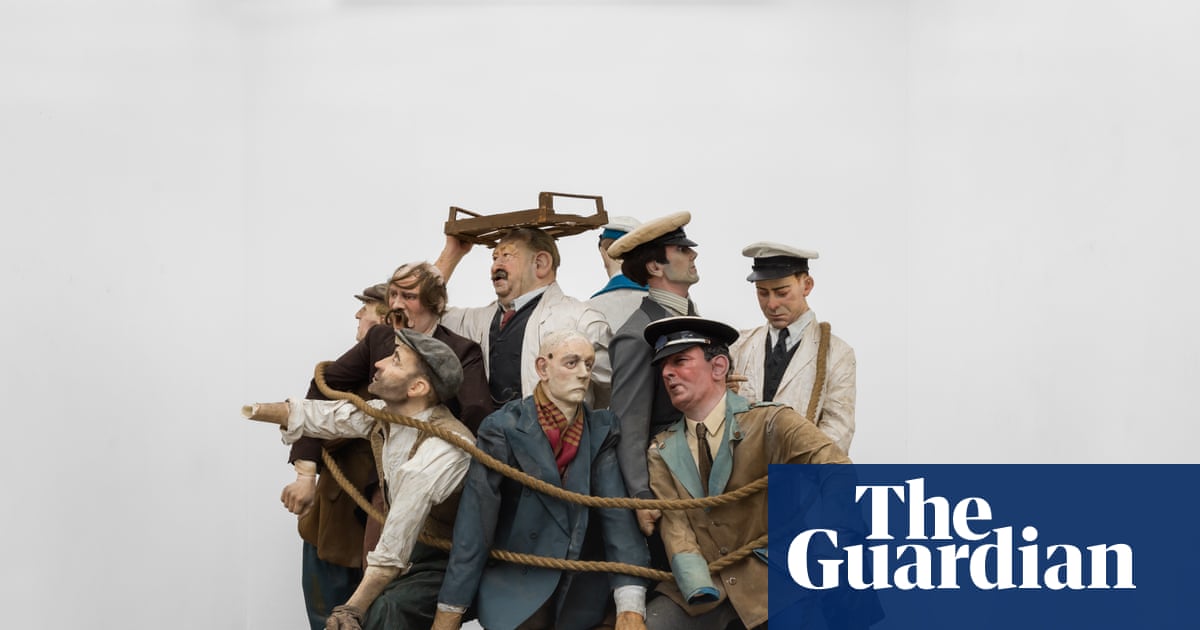
The theme of otherness runs through the works on view. Accounts, a sculptural installation by Alex Margo Arden, repurposes decommissioned male mannequins and rope to riff on deindustrialisation and the performance of masculinity, while Here Is the Brick by Mahtab Hussain weaves anti‑Muslim chants, family VHS footage and a brick‑throwing incident into a fevered montage that ends on a hopeful chorus of football fans cheering for Mo Salah. Both pieces turn the stranger into a mirror for collective memory.
Films by Melanie Manchot and Julianknxx, together with Joy Gerrard’s ink drawings of protesting crowds, inject kinetic energy, suggesting that agency can be reclaimed through dance, song and collective movement. Their gestures resist the capitalist forces that often render individuals invisible, instead foregrounding the power of gathering.
Overall, the British Art Show offers more than a critique; it proposes a hymn to possibility. By inviting visitors to inhabit the perspective of the outsider, the exhibition suggests that art can illuminate a path beyond division, turning the fear of strangers into curiosity and, ultimately, connection.