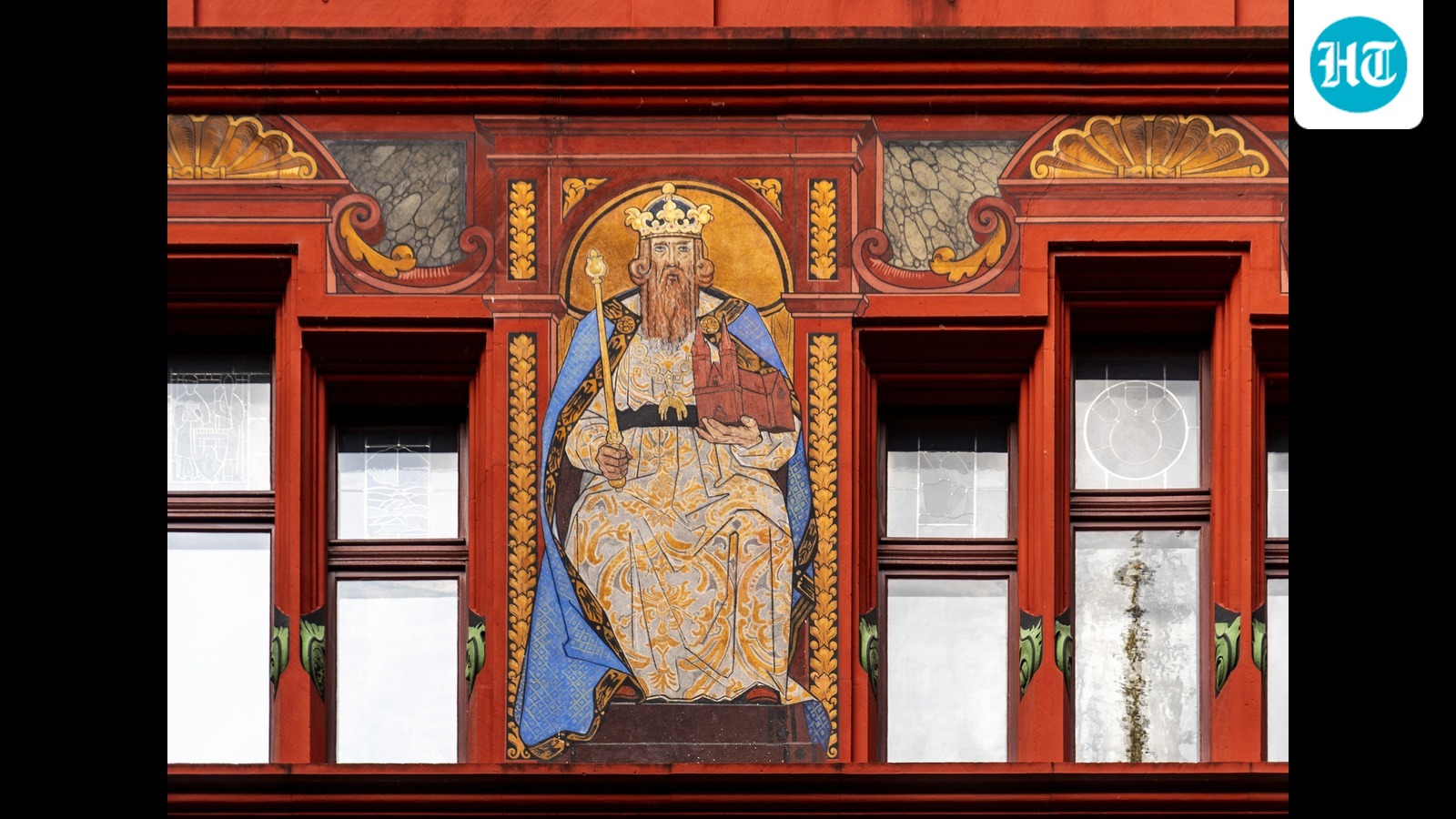
Review: May We Feed the King by Rebecca Perry
May We Feed the King reads like a living exhibition, where a contemporary curator’s commission to reinterpret a 750‑year‑old palace becomes the framework for a nested medieval narrative. The novel opens with the curator’s artist statement, inviting the reader to step inside an imagined installation before moving to a post‑show discussion, blurring the line between exhibition and text.
Within that space the story of an unnamed, pacifist king unfolds through fragmented court gossip, marginal notes and whispered rumors. He is a ruler who refuses war, shuns excess, and drifts between duty and withdrawal, his presence felt more in the silence of empty chambers than in any grand decree.
Rebecca Perry employs language that leans toward free verse and visual wordplay, creating an atmosphere that outweighs conventional plot. The novel’s structure—curator, historical vignette, present‑day reflection—mirrors an art installation that asks the audience to sense the lingering energy of absent figures.
Written amid global crises, the king’s reluctance and inaction echo the helplessness of watching distant tragedies unfold, turning the medieval monarch into a subtle commentary on modern governance and the cost of silence.