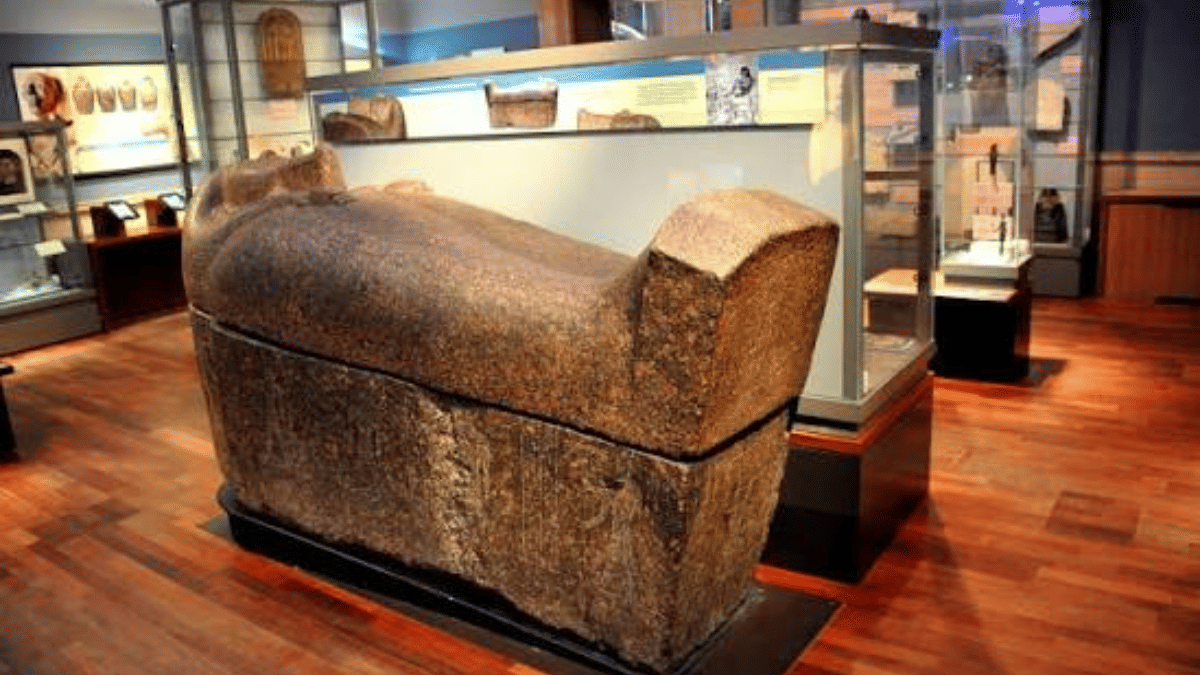
Scottish museum removes mummies over lack of consent from the deceased
Kelvingrove Art Gallery and Museum in Glasgow has taken the rare step of removing a collection of ancient Egyptian human remains from public view, arguing that displaying bodies without documented consent disrespects the individuals who lived millennia ago.
The decision follows a revision of the museum’s human‑remains policy, aligned with the latest International Council of Museums Code of Ethics, which stresses the inherent dignity of such specimens and calls for clear provenance of consent or descendant approval.
The move has sparked a heated debate. Some cultural commentators condemn it as an over‑cautious reaction that threatens the educational mission of museums, while others applaud the ethical stance and see it as a necessary correction in how institutions treat the dead.
Regardless of the polarity, the episode highlights a growing tension between preserving access to historic artifacts and honoring contemporary standards of respect, a balance that museums worldwide will continue to navigate.