Why Glasgow museum took mummies off display
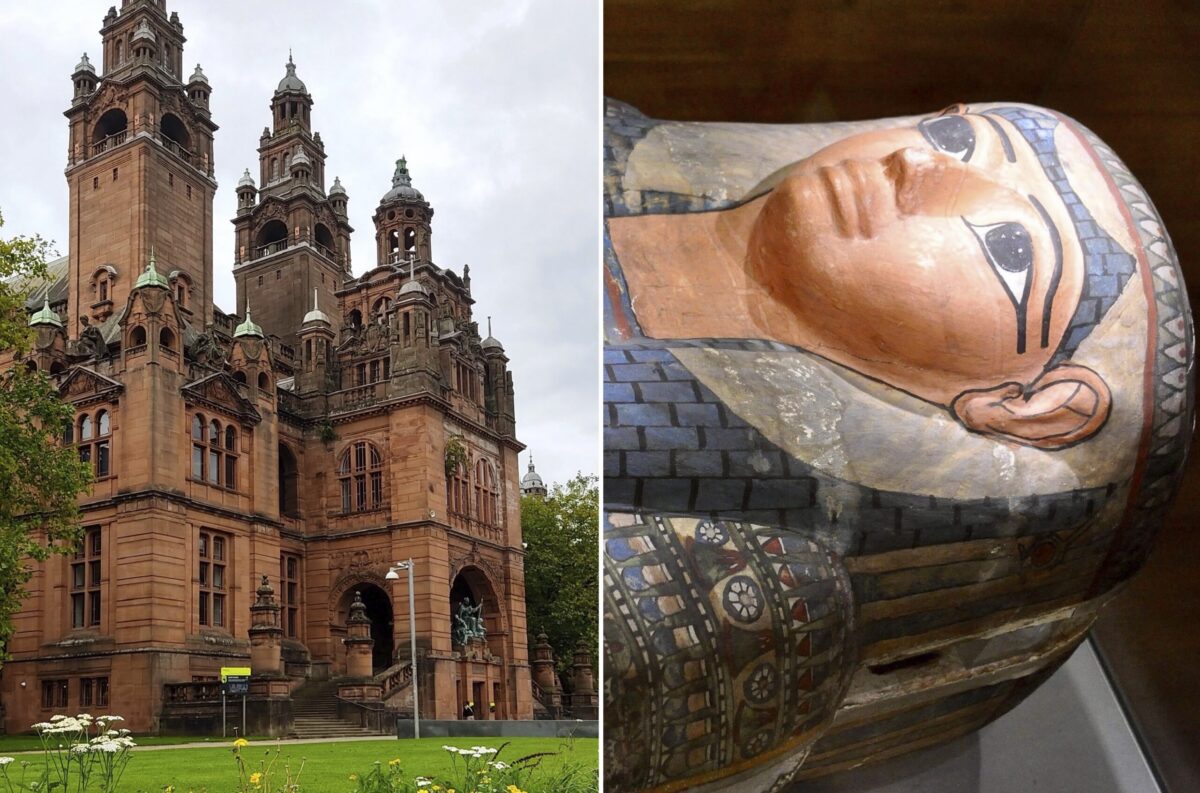
Glasgow’s Kelvingrove Art Gallery and Museum has quietly taken several ancient Egyptian human remains off public view, replacing them with empty cases and a simple notice that the objects have been removed “as a mark of respect.” The change is immediately noticeable in a venue that welcomes over a million visitors each year.
The museum says the decision follows a draft policy that requires documented, informed consent from the deceased or their descendants before displaying human remains. The new International Council of Museums Code of Ethics, released in June 2026, urges institutions to “uphold the inherent dignity of human remains” and to involve relevant communities whenever possible.
Among the objects withdrawn are the painted coffin and body of Nekht, a Middle Kingdom priest excavated at Beni Hasan, as well as a mummified right hand from the Valley of the Kings and a male head and foot. These pieces had been on display for generations, making the removal all the more striking.
The move has sparked debate. Some politicians decry it as “woke madness,” arguing that museums should prioritize education over modern sensibilities. Others applaud the respect shown to the individuals whose bodies are being displayed.
Similar reassessments are occurring across Britain. Manchester Museum recently concealed the mummy of Asru, an Egyptian woman, after consulting Egyptian scholars and diaspora groups. At Glasgow’s Hunterian Museum, the sarcophagus of Lady Shep‑En‑Hor remains on view while the body is covered by a textile. National Museums Scotland and the British Museum, by contrast, continue to exhibit their Egyptian mummies, though they say they would consider repatriation if formally requested.